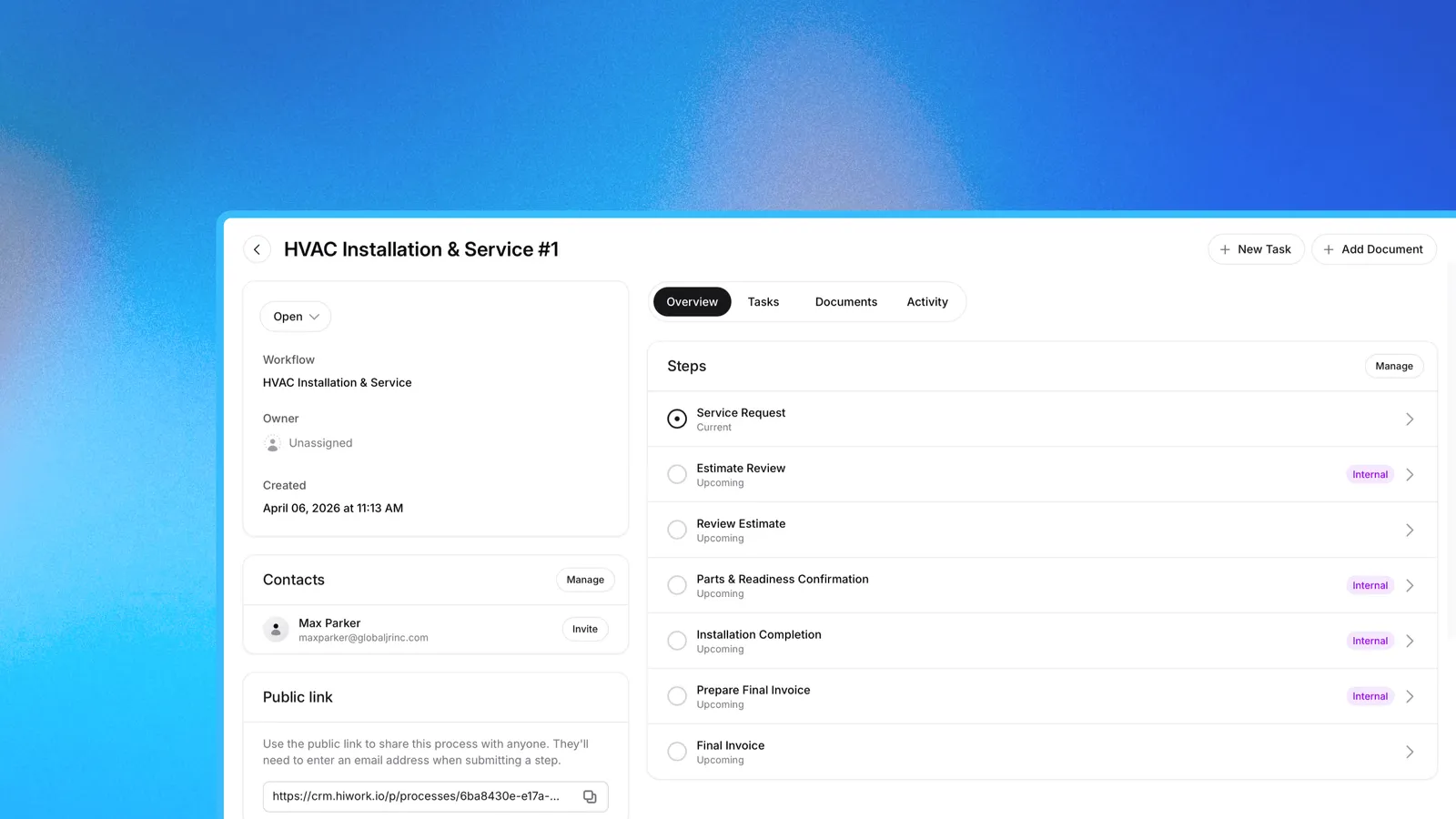
As a job seeker, it can be overwhelming to keep track of all the applications, interviews, and follow-ups. But, using a personal CRM system like Lattney can make the job search process more efficient and organized. Keep reading to explore how to use a personal CRM system if you’re hunting for a job.
First, let’s define what a personal CRM system is: A personal CRM system is a tool that helps individuals manage their relationships and interactions with people, whether they are personal or professional. It works by organizing contact information, communication history, and follow-up tasks. By using a personal CRM system, job seekers can minimize confusion or miss any important opportunity.
A CRM gives the job search a structure it usually lacks. Every contact has a record. Every application gets a note. Every follow-up becomes a task with a due date. Nothing depends on your memory.
Here are some tips on how to use a personal CRM system if you’re looking for a job:
- Start by adding your contacts
- Use contact lists to track where things stand
- Create tasks for every follow-up
- Use notes to track the full picture
- Use custom fields for what matters to your search
Keep reading to learn all about them:
- Start by adding your contacts
The foundation of any job search is the people in it. Recruiters, hiring managers, contacts from your network, people who said “send me your resume” at some point and actually meant it.
Add each one as a contact in Lattney. Name, company, email, phone number, and how you know them. That last part matters more than it sounds. When you sit down to send a follow-up three weeks later, you want to know whether this is someone you met at an event, a recruiter who reached out cold, or a referral from a former colleague. The context changes the message.
Once the contact is in the system, add a note with anything relevant. The role they mentioned. What they told you about the team. What you discussed in your last conversation. This is the information that makes your next outreach feel personal rather than generic.
- Use contact lists to track where things stand
Lattney lets you group contacts into lists. For a job search, the most useful structure is one list per stage.
Something like: Reached Out, Applied, Interviewing, Offer, Closed.
Every contact sits in exactly one list at a time. When something moves forward, you move them. This gives you an immediate view of where your search actually stands. How many active conversations do you have? Where are things stalling? Which companies have gone quiet?
You do not need to search through your inbox to answer those questions. The lists tell you.
- Create tasks for every follow-up
The follow-up is where most job searches fall apart. Someone says they will be in touch, a week passes, and you are not sure whether it is too soon to check in or too late.
Create a task every time a follow-up is needed. Sent an application? Create a task to follow up in ten days. Had a first interview? Create a task to send a thank-you note today and another to check in next week if you have not heard back.
Tasks in Lattney attach directly to the contact they belong to. When you open a contact record, you see every pending task alongside the notes and history. Everything is in one place, not scattered across your calendar, your inbox, and a sticky note on your monitor.
Set a due date on every task. The task view filters by overdue, due today, and upcoming. That filter is your daily to-do list for the job search.
- Use notes to track the full picture
Every conversation in a job search has context worth keeping. What the recruiter said about the role. What you learned about the team in the screening call. What the hiring manager mentioned about timeline. What you want to bring up in the next conversation.
Add a note after every interaction. It does not need to be long. A few sentences about what was said and what comes next is enough. When you come back to that contact before a call or before writing a follow-up, the notes tell you where things stand.
This is also useful for recording what you actually said in outreach. If you customized your message to a recruiter based on something specific about the company, note it. When you follow up, you can reference the same thread instead of starting from scratch.
- Use custom fields for what matters to your search
Not every contact in a job search fits the same template. Some are recruiters at agencies who work across multiple companies. Some are internal referrals who are passing your name along. Some are hiring managers with a specific role open.
Custom fields let you add information that is specific to your situation. You might add a field for the role title, the company size, the source of the contact, or the salary range that was mentioned. Whatever information you find yourself trying to remember or look up repeatedly, make it a field on the contact record.
Keep your search visible
The biggest risk in a job search is losing momentum without noticing it. Applications go out, conversations start, and then everything goes quiet and you are not sure why.
The activity history in Lattney shows every note, task, and update on each contact in chronological order. If a contact has had no activity in two weeks, it is visible. You can decide whether to re-engage or move on, but at least the decision is deliberate.
The task filters give you a similar view at the search level. If your overdue task list is growing, you have let too many follow-ups slip. If everything shows upcoming and nothing shows overdue, the search is moving.
A job search is a process with more steps than most people track. A CRM does not make it easier to get a job. It makes it harder to lose track of the opportunities you already have.
Lattney offers a 14-day free trial to start. Contacts, notes, tasks, lists, and activity history are all available without a credit card.